Adaptive Learning Algorithms Enhancing Real-Time Code Completion Features in Collaborative Development Environments
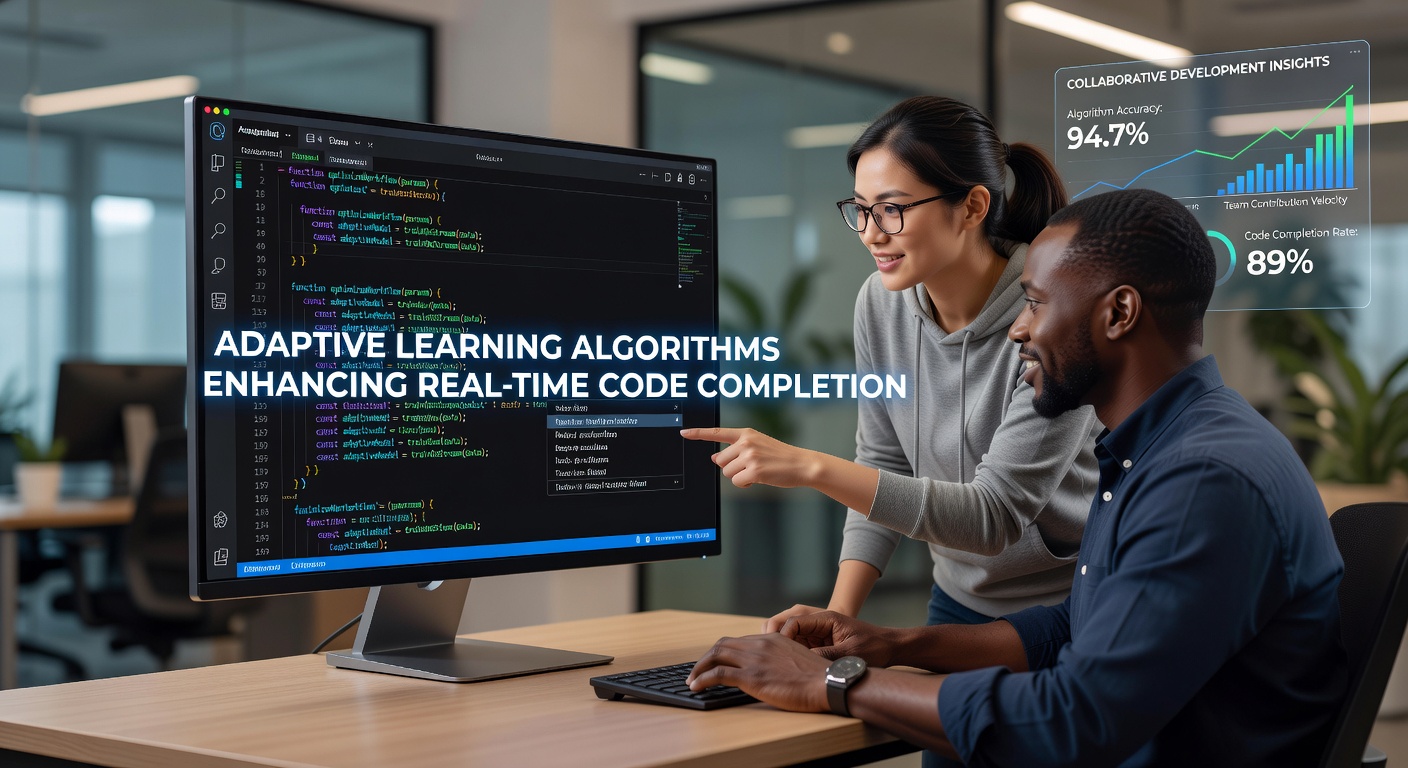
Adaptive learning algorithms have integrated deeply into real-time code completion systems that operate inside collaborative development environments, and these tools analyze individual coding habits alongside team-wide patterns to generate context-aware suggestions. Developers working together on shared repositories see completions that reflect both personal styles and collective project standards, while the underlying models update continuously based on live interactions across distributed teams. Research indicates that such systems reduce the time spent on routine syntax and boilerplate code, according to data compiled by academic institutions tracking productivity metrics in large-scale software projects.
Core Mechanisms Behind Adaptive Code Completion
These algorithms rely on neural network architectures that process abstract syntax trees, token sequences, and contextual metadata from multiple contributors at once, and they refine prediction weights through reinforcement signals derived from accepted or rejected suggestions. In environments supporting simultaneous edits, the models distinguish between local changes made by one programmer and broader architectural decisions agreed upon by the group, which allows completions to align with evolving codebases without introducing conflicts. Observers note that training occurs incrementally, drawing from anonymized interaction logs rather than static datasets, so the system adapts to new languages, frameworks, or coding conventions as teams adopt them.
Integration with version control platforms enables the algorithms to factor in commit histories and pull request discussions when ranking suggestions, and this approach has been documented in studies released by European research consortia focusing on distributed software engineering. Latency remains a critical factor, yet optimizations such as edge caching of partial model states keep response times under 100 milliseconds even when handling inputs from dozens of concurrent users.
Collaborative Dynamics and Shared Context
Teams benefit when adaptive models maintain a unified view of project conventions while preserving room for individual variation, and this balance emerges because the algorithms cluster similar coding behaviors across contributors before generating tailored outputs. For instance, one researcher documented cases where junior developers received suggestions that gradually incorporated senior-level patterns observed in the same repository, resulting in smoother knowledge transfer during pair programming sessions. Data from North American technology firms shows measurable decreases in style inconsistencies across merged branches when these features remain active throughout the development cycle.
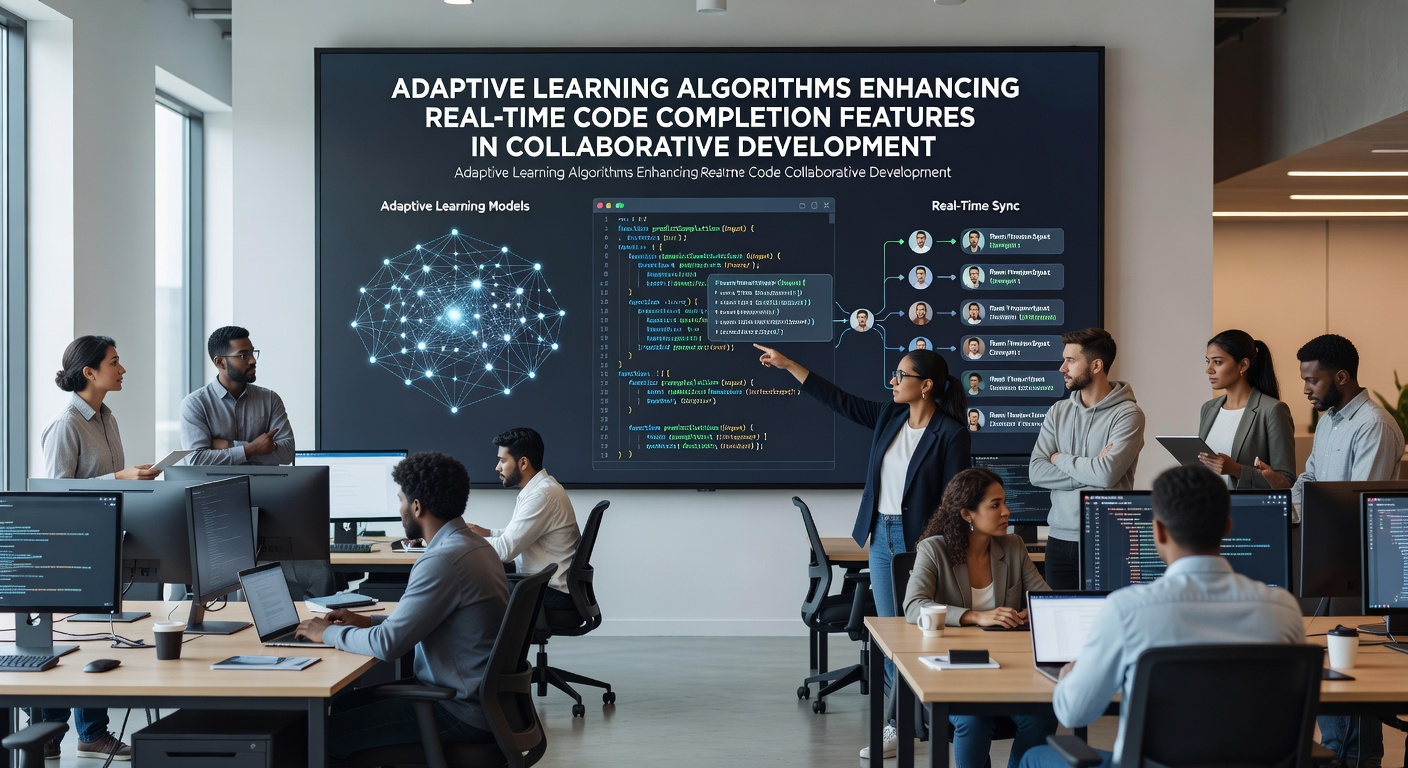
Privacy safeguards play an essential role because raw code snippets never leave the local environment in certain implementations, and federated learning techniques allow the central model to improve without direct access to proprietary material. Australian academic reports from mid-2025 highlighted successful deployments where encryption protocols protected sensitive context while still permitting cross-team pattern recognition. As of June 2026, several open-source projects have incorporated these capabilities into their standard tooling stacks, expanding access beyond enterprise settings.
Performance Metrics and Adoption Trends
Benchmarks released by international standards bodies reveal accuracy rates exceeding 70 percent for inline completions in languages such as Python and TypeScript when adaptive layers are enabled, and these figures climb further in projects with consistent team composition over multiple months. The algorithms detect shifts in focus, for example when a group pivots from feature development to refactoring, and they adjust priority queues accordingly to surface relevant utilities or design patterns. Industry organizations tracking software engineering practices have recorded higher retention of suggested code blocks compared with non-adaptive baselines, particularly in remote-first organizations that rely on asynchronous reviews.
Challenges surface around model drift when team membership changes rapidly, yet mitigation strategies involve periodic recalibration against the latest repository snapshots. Engineers at various research institutions continue to explore hybrid approaches that combine symbolic rules with learned representations to handle edge cases involving domain-specific languages or legacy codebases.
Conclusion
Adaptive learning algorithms continue to shape real-time code completion inside collaborative development environments by processing live team interactions and individual preferences within unified models. Evidence from multiple regions demonstrates consistent gains in suggestion relevance and workflow efficiency, while ongoing refinements address latency, privacy, and adaptability concerns. As tooling matures through 2026 and beyond, these systems are expected to support increasingly complex multi-contributor scenarios without compromising on responsiveness or security.