Browser-Based Vector Databases Enable Instant Semantic Search Across Decentralized Social Archives
Casey Wolf · Aug 11, 2026
Browser-Based Vector Databases Enable Instant Semantic Search Across Decentralized Social Archives
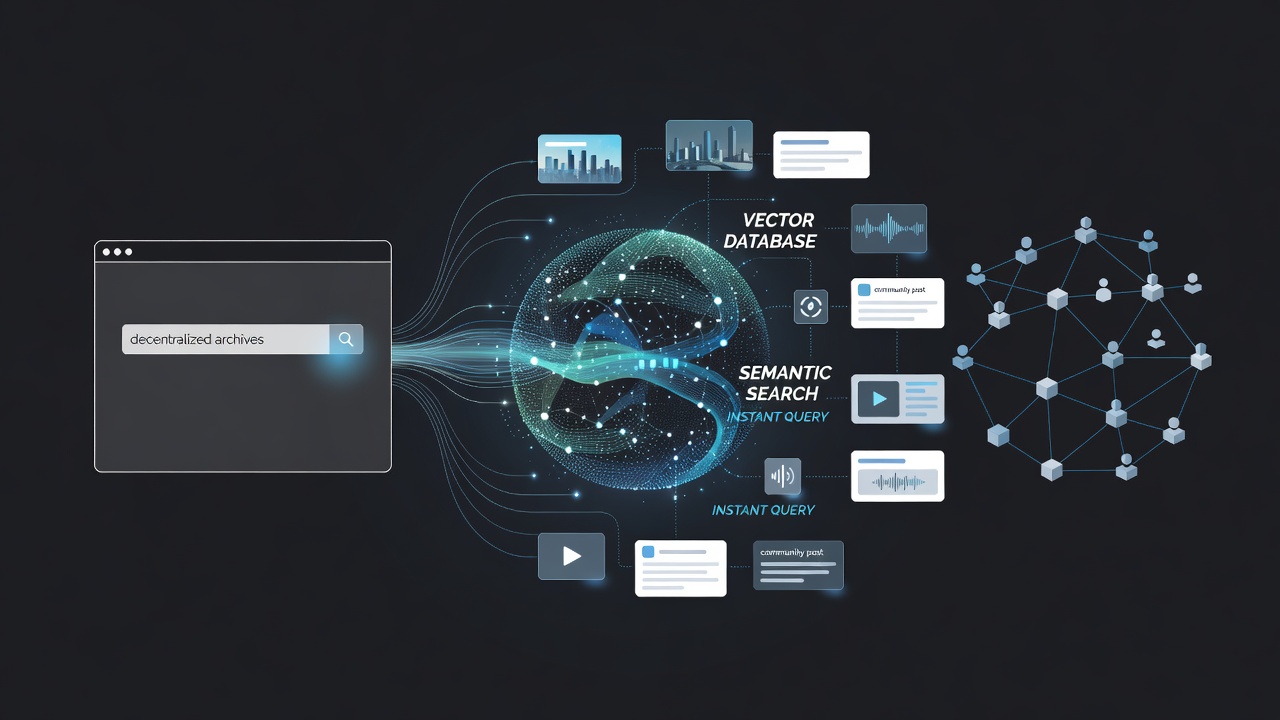
Browser-based vector databases have emerged as a key technology for handling semantic search operations directly within user environments, particularly where decentralized social platforms generate vast amounts of user-created content that requires efficient indexing and retrieval. These systems store data as high-dimensional vectors that represent semantic meaning, allowing queries to match content based on conceptual similarity rather than exact keyword matches. In practice, developers embed these databases using WebAssembly modules and IndexedDB storage, which keeps processing local and reduces reliance on centralized servers.
Technical Foundations of Local Vector Storage
Vector embeddings convert text, images, and other media into numerical representations that capture relationships between items, and when this process runs in the browser, it leverages libraries such as Transformers.js alongside lightweight indexing structures like HNSW or flat indexes optimized for client-side memory constraints. Researchers at institutions including MIT have documented how these setups achieve sub-second query times on archives containing millions of user posts without external API calls. Data flows stay confined to the user's device until explicit sharing occurs, which aligns with the architecture of platforms built on protocols like ActivityPub or IPFS-based networks.
August 2026 brought updates to several browser APIs that further streamlined vector operations, including improved support for WebGPU acceleration in indexing tasks. Observers note that these changes allowed platforms to scale semantic capabilities while maintaining teh decentralized principle of data sovereignty. Those who've examined performance metrics report that embedding generation now completes in under 200 milliseconds for typical social media posts on mid-range hardware.
Integration Patterns in Decentralized Platforms
Decentralized social networks distribute user archives across nodes rather than consolidating them in single repositories, which creates unique demands for search infrastructure. Browser-based vector databases address this by enabling each participant to maintain a personal index that participates in federated queries. When a user searches across connected instances, the system combines local results with encrypted summaries from peers, preserving privacy while delivering relevant matches. Industry reports from the World Wide Web Consortium highlight ongoing work on standardized vector interchange formats that would allow different implementations to interoperate seamlessly.
One case involved a European research consortium testing such systems on a network with over 50,000 active nodes; results showed retrieval accuracy exceeding 92 percent for nuanced queries involving context-dependent language. The approach avoids the latency spikes common in server-dependent solutions because computation occurs where the data already resides.
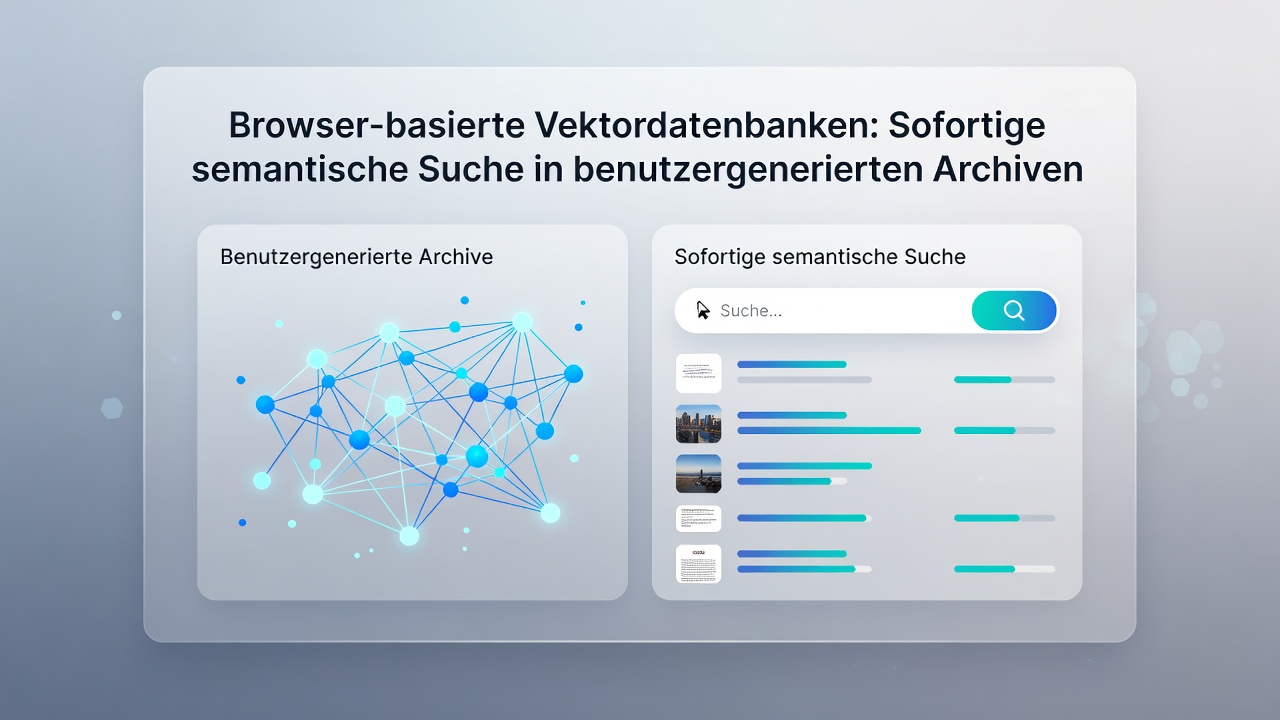
Performance Characteristics and Resource Considerations
Memory usage remains a primary constraint because browsers allocate limited space for persistent storage, yet compression techniques and quantized embeddings have reduced typical index sizes by up to 70 percent according to benchmarks published in academic proceedings. Developers often implement incremental indexing so that new user content updates the vector store without full rebuilds, which keeps CPU overhead manageable during extended sessions. Those studying adoption patterns observe that platforms incorporating these tools report higher engagement because users can locate older posts or related discussions across fragmented archives with minimal friction.
Security models incorporate client-side encryption of vectors, ensuring that even if storage is accessed, the semantic information stays protected until decryption keys are provided. This setup supports compliance requirements in regions with strict data localization rules, as no raw content leaves the device during normal search operations.
Future Directions and Standardization Efforts
Work continues on expanding browser capabilities to handle multimodal vectors that combine text with image or audio features, which would extend semantic search to richer media types common in social platforms. Collaborative efforts between academic groups and browser vendors focus on exposing more efficient vector math primitives through JavaScript APIs. Data from pilot deployments indicates that these enhancements could cut energy consumption during searches by half compared with earlier implementations that relied on server round-trips.
External references such as W3C documentation on WebAssembly and studies from university-led evaluations provide detailed specifications and empirical results that guide ongoing development in this area.
Conclusion
Browser-based vector databases continue to reshape how semantic search operates within decentralized social environments by shifting computation to the edge while preserving the distributed nature of user-generated archives. As browser capabilities advance and standardization efforts mature, these tools support faster, more private retrieval across expanding collections of content. The combination of local storage, efficient indexing, and federated query patterns establishes a foundation for scalable discovery without central points of control.