Containerization Strategies Reshaping Database Management Practices Within Distributed Web Hosting Environments
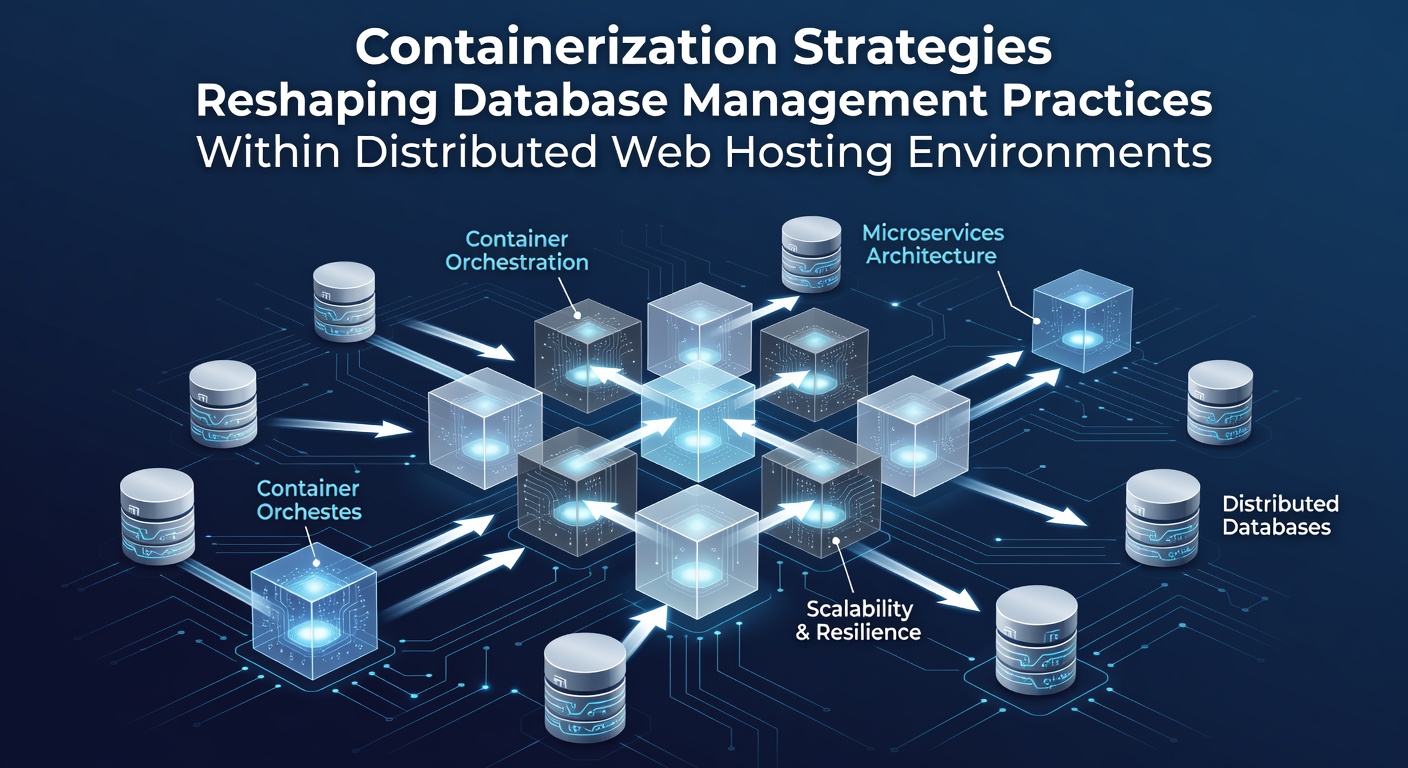
Containerization has introduced structured approaches to handling databases inside distributed web hosting setups, where applications run across multiple nodes and require consistent data access, and these methods address the inherent stateful nature of databases that traditional virtual machines once managed more directly. Operators and orchestration platforms now automate deployment, scaling, and recovery tasks that previously demanded manual intervention across clusters.
Core Technical Shifts in Database Deployment
Databases traditionally relied on persistent storage attached to fixed servers, yet container environments separate compute from storage through persistent volumes and stateful sets that maintain pod identity even after restarts or migrations. Kubernetes operators for systems such as PostgreSQL and MySQL handle failover sequences, backup scheduling, and configuration updates by watching custom resources and reconciling desired states automatically, which reduces downtime windows during node failures in distributed hosting clusters.
Researchers tracking adoption patterns note that container-native database tools integrate sidecar containers for logging and monitoring, allowing metrics collection without modifying core database binaries, while network policies enforce traffic segmentation between application pods and database instances. This separation supports multi-tenant hosting where different customers share underlying infrastructure yet maintain isolated data paths.
Challenges Addressed Through Orchestration Patterns
State consistency remains a primary concern when containers restart or move between hosts, so strategies incorporate quorum-based replication and leader election mechanisms that container runtimes coordinate via service discovery. Data from industry analyses indicate that environments using these patterns report fewer split-brain scenarios compared with earlier manual clustering approaches in web-scale deployments.
Resource contention arises in shared hosting nodes where CPU and memory limits affect query performance, prompting the use of quality-of-service classes and resource quotas that operators apply during pod scheduling. Storage class definitions further allow dynamic provisioning of volumes with specific performance tiers, matching database workloads to underlying cloud block storage or local NVMe devices depending on latency requirements.
Implementation Approaches in Production Environments
Teams deploying these strategies often begin with stateless application layers before extending containerization to databases through incremental migration paths that test replication lag and recovery times in staging clusters. Helm charts and operator frameworks package deployment manifests that include affinity rules to keep primary and replica instances on separate availability zones, reducing correlated failure risks in geographically distributed hosting setups.
One documented case involves a European research network that transitioned its analytics databases to containerized instances managed by custom operators, resulting in automated scaling during peak query periods without manual volume resizing. Similar transitions appear in North American cloud providers where service meshes handle encrypted connections between application containers and database endpoints, satisfying compliance frameworks from agencies such as NIST on data protection during transit.
Security and Compliance Integration
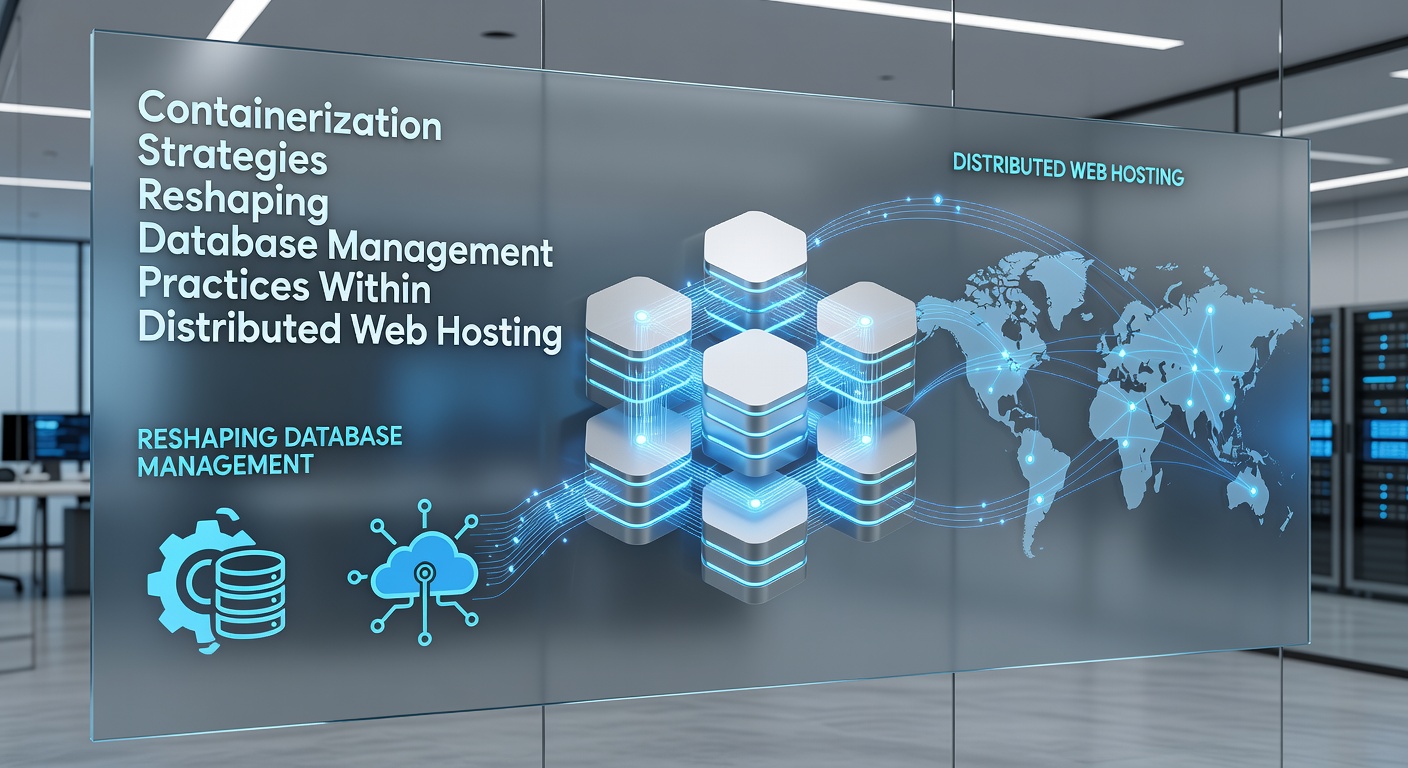
Container isolation layers add another boundary around database processes, with tools scanning images for vulnerabilities before deployment and runtime policies restricting system calls that databases might otherwise require. Secrets management systems inject credentials at runtime rather than embedding them in container images, which aligns with zero-trust models increasingly referenced in regulatory guidance across multiple jurisdictions.
Encryption at rest occurs through volume-level mechanisms that operators configure during provisioning, while audit logging streams to centralized collectors that operate outside the database containers themselves. These practices support frameworks from bodies such as ENISA in Europe, which outline expectations for data handling in virtualized infrastructures.
Trends Observed Through Mid-2026
By June 2026, telemetry from major orchestration platforms showed increased use of serverless database extensions that run as functions triggered by container events, reducing the footprint of always-on instances in low-traffic web hosting scenarios. Academic studies from institutions in Australia and Canada have examined latency impacts when databases operate under these hybrid models, documenting trade-offs between consistency guarantees and horizontal scaling speed.
Multi-cluster federation tools now propagate database configuration changes across regions, allowing hosting providers to maintain synchronized replicas while respecting data residency rules that differ by jurisdiction. Observers tracking these developments report that backup and restore operations complete faster when container images include database-specific restore utilities rather than relying solely on host-level snapshots.
Conclusion
Containerization continues to influence database management by embedding automation directly into orchestration layers, which changes how distributed web hosting environments provision, secure, and recover data services. The combination of operators, persistent storage abstractions, and policy-driven networking creates repeatable patterns that scale across nodes while addressing state management requirements that once limited container adoption for databases. As tooling matures, these approaches integrate further with compliance and performance monitoring systems, shaping operational practices in production hosting infrastructures.