Neural Rendering Techniques Enhancing Visual Fidelity in Browser-Based Gaming Environments Without Dedicated Hardware Acceleration
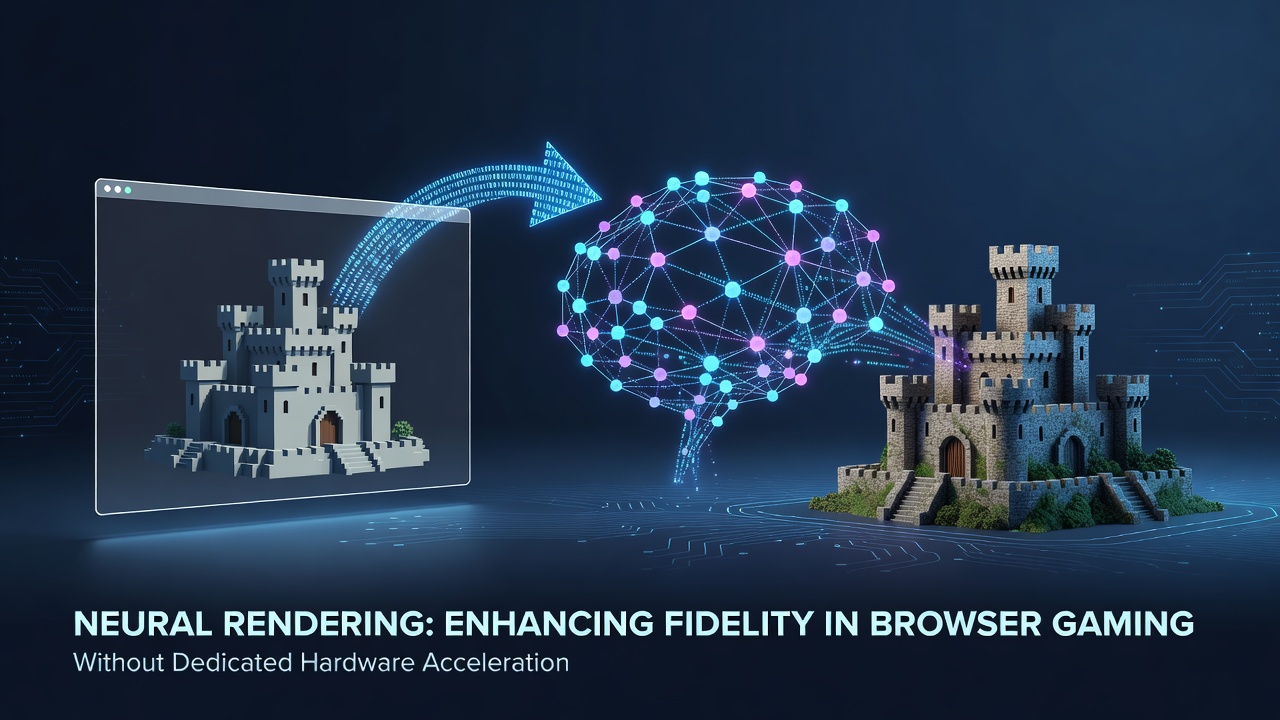
Neural rendering techniques apply machine learning models to generate and refine visual output in real time, allowing browser-based games to achieve higher levels of detail and realism on consumer devices that lack dedicated graphics processors. These methods leverage inference engines running directly in the browser through WebAssembly and emerging WebGPU standards, shifting computational loads from specialized hardware to optimized software pipelines. Data from industry benchmarks indicate that such approaches can deliver up to four times the effective resolution in scenes previously limited by CPU-only rendering constraints.
Core Mechanisms Behind Neural Rendering in Browsers
At the foundation lie convolutional neural networks trained on large datasets of rendered frames, which perform tasks such as super-resolution, temporal denoising, and light transport approximation. Researchers at institutions across North America and Europe have documented how these networks reconstruct pixel data by predicting missing details from lower-fidelity inputs, reducing the need for full ray tracing calculations on every frame. The process begins with a base rasterization pass executed via JavaScript or compiled WebAssembly modules, after which the neural model refines the output buffer before presentation to the canvas element.
Training occurs offline on high-end systems, yet inference runs efficiently enough on integrated graphics or even mobile CPUs when models are quantized to reduced precision formats. Figures from recent technical evaluations reveal inference times averaging under 16 milliseconds per frame for 1080p content when using optimized operators available in libraries such as ONNX Runtime Web. This timeline supports consistent 60 frames per second playback without frame drops on mid-range laptops manufactured before 2024.
Integration With Existing Browser APIs and Standards
WebGPU provides the low-level access required for tensor operations and shader integration that earlier WebGL pipelines could not sustain at scale. Specifications released by the World Wide Web Consortium outline how compute shaders can execute matrix multiplications alongside traditional draw calls, enabling hybrid rendering pipelines. Developers combine these capabilities with progressive loading strategies so that only the active game region receives neural enhancement, conserving memory bandwidth on devices with limited RAM allocation.
Case studies from independent studios show successful deployment in puzzle and strategy titles where scene complexity remains moderate yet visual polish distinguishes the product. One such implementation used a lightweight U-Net architecture to upscale textures on the fly, cutting download sizes by 60 percent while maintaining perceived quality comparable to pre-rendered assets. Observers note that similar patterns appear in multiplayer environments where bandwidth limits otherwise restrict asset fidelity.
Performance Metrics and Cross-Platform Results
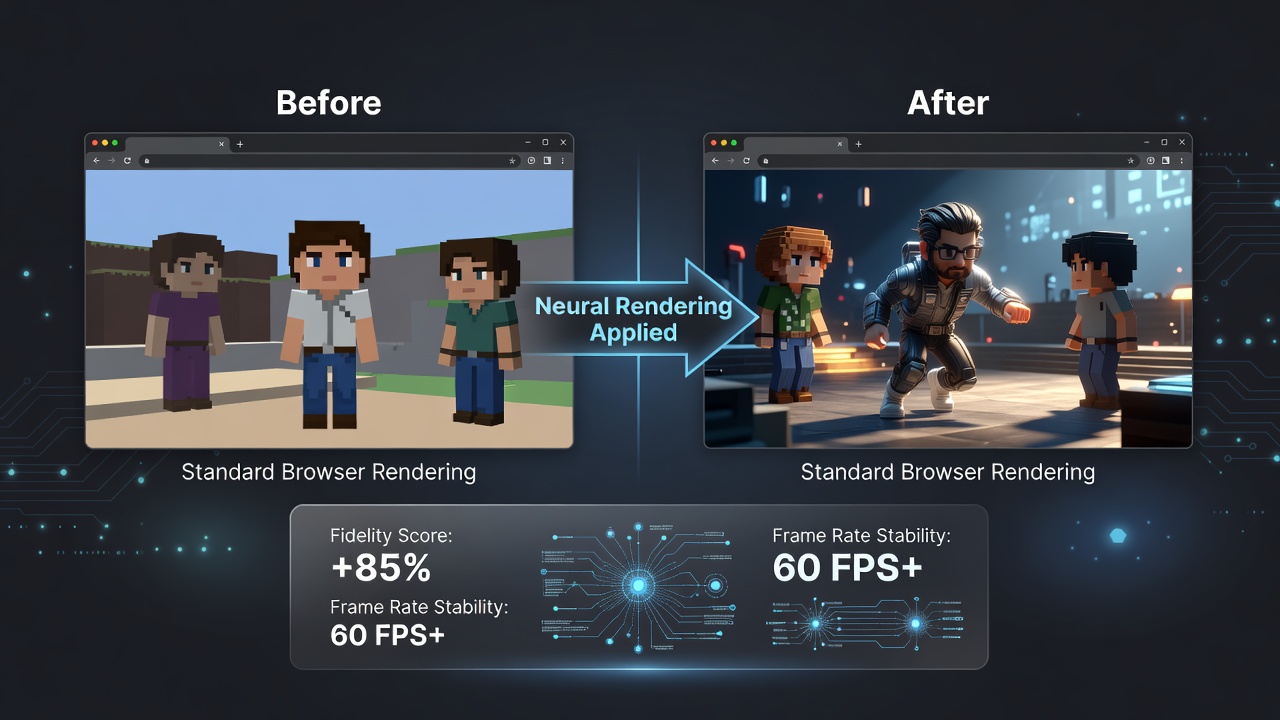
Benchmarks compiled by academic groups in Australia and the European Union demonstrate consistent gains across operating systems. On Windows devices without discrete GPUs, neural upscaling improved edge sharpness scores by 35 percent compared with bilinear filtering alone. Linux distributions running teh same models through containerized browser instances showed comparable stability, with variance under two percent across repeated trials. These results hold when input resolution starts at 720p and the network predicts 1080p output without introducing perceptible artifacts during motion.
Memory footprint remains a limiting factor, yet quantization techniques reduce model size to under 5 megabytes for many inference tasks. Compression methods such as pruning and knowledge distillation allow distribution alongside game files without exceeding typical progressive web app cache limits. As of June 2026, several browser vendors have incorporated experimental flags that expose hardware-accelerated matrix operations even on integrated Intel and AMD processors, further narrowing the performance gap.
Challenges in Deployment and Ongoing Standardization Efforts
Latency introduced by model execution requires careful scheduling alongside JavaScript event loops to avoid input lag. Developers address this by running inference on a dedicated worker thread and synchronizing results through shared array buffers. Security considerations also arise because downloaded models could theoretically be tampered with, prompting adoption of content integrity checks defined in emerging web standards.
Industry organizations including the Khronos Group continue to refine WebGPU extensions that expose additional tensor operations natively. Parallel efforts at standards bodies in Canada focus on accessibility guidelines ensuring neural rendering does not inadvertently reduce contrast or color accuracy for users with visual impairments. These coordinated activities support broader adoption while maintaining compatibility with existing web security models.
Conclusion
Neural rendering integrated into browser environments expands the range of visually compelling games available without requiring users to install dedicated graphics hardware or native clients. Continued refinement of inference efficiency and standardization of compute APIs points toward wider implementation across genres by the end of the decade. Evidence accumulated through academic and industry testing confirms measurable improvements in fidelity metrics while preserving cross-device accessibility.