Spatial Computing Frameworks Redefining Collaborative Interfaces in Distributed Simulation Environments for Industrial Training Modules
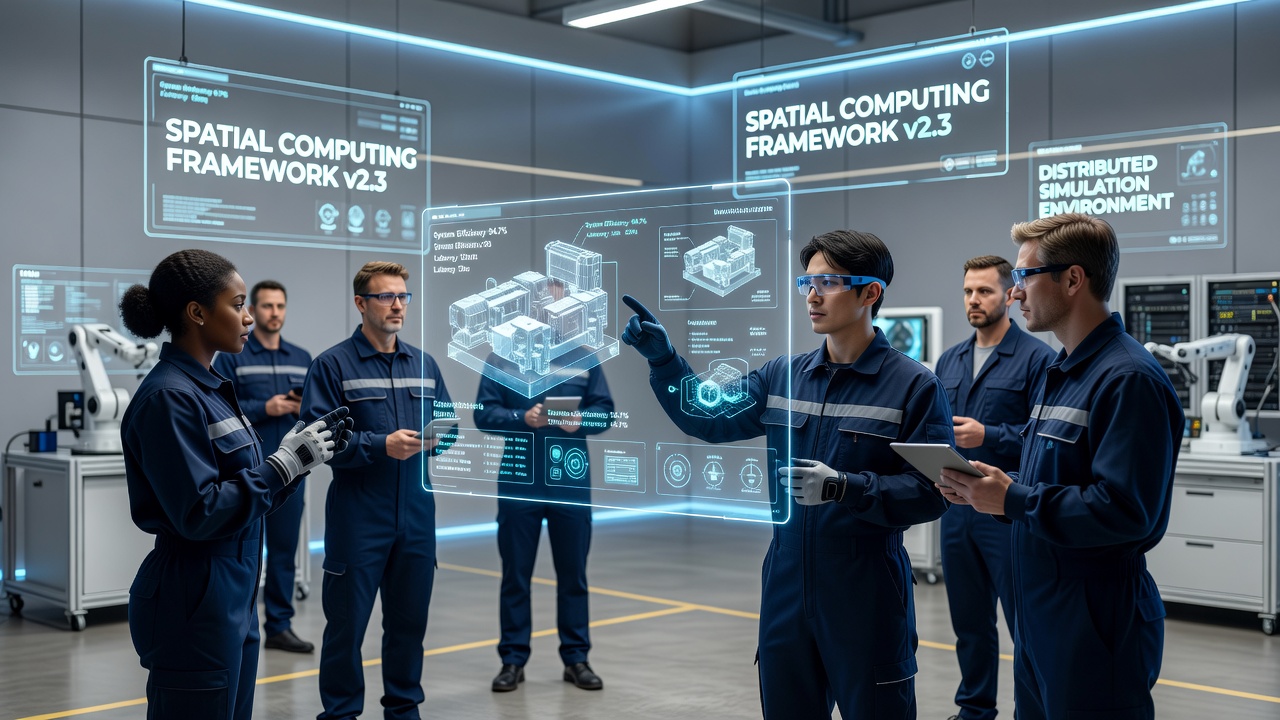 Spatial computing frameworks have started reshaping how teams engage with distributed simulation environments, particularly when industrial training modules require precise coordination across multiple sites. These frameworks blend augmented reality overlays with real-time data streams so participants manipulate virtual machinery while physical constraints remain visible in their actual workspace. Research indicates that integration of spatial mapping tools allows simultaneous updates across nodes without the latency spikes common in traditional video-based systems. Observers note several core components driving this shift. Spatial anchors synchronize object positions across distributed networks while gesture recognition layers translate hand movements into simulation commands. Data shows these elements reduce miscommunication errors during training sessions by up to 40 percent according to reports from industrial consortia. Frameworks built on platforms such as those developed by Microsoft and Unity incorporate mesh networking protocols that maintain consistency even when individual connections fluctuate.
Distributed Simulation Architecture and Interface Evolution
Distributed simulation environments rely on synchronized physics engines that run on edge servers positioned near training facilities. Spatial computing layers sit atop these engines to convert abstract data into tangible 3D representations users can walk around and annotate. In June 2026, updates to open-source spatial frameworks introduced improved occlusion handling that lets virtual tools appear correctly behind real equipment during collaborative sessions.
Collaborative interfaces now support multi-user spatial audio alongside visual cues so instructors can guide trainees through procedures without breaking immersion. Studies from European research networks reveal that trainees retain procedural sequences longer when spatial context remains consistent across repeated modules. The architecture separates rendering tasks from simulation logic which allows scaling to dozens of simultaneous participants without dedicated high-end hardware at every location.
Applications in Industrial Training Scenarios
Manufacturing plants have adopted these frameworks for safety protocol drills where workers practice emergency shutdowns inside shared virtual replicas of their actual floor layouts. One documented case involved aerospace assembly teams using distributed simulations to rehearse wing component installations across facilities in different time zones. Gesture-based annotations persisted in the shared space long after individual sessions ended which let later shifts review prior decisions without additional documentation overhead.
Chemical processing facilities integrate spatial frameworks with sensor feeds so trainees observe live pressure readings mapped directly onto virtual pipe networks. This approach keeps physical plant operations uninterrupted while providing realistic hazard exposure during training. Industry data collected through 2025 indicates a measurable drop in on-site incident rates following widespread rollout of such modules.
Technical Challenges and Framework Solutions
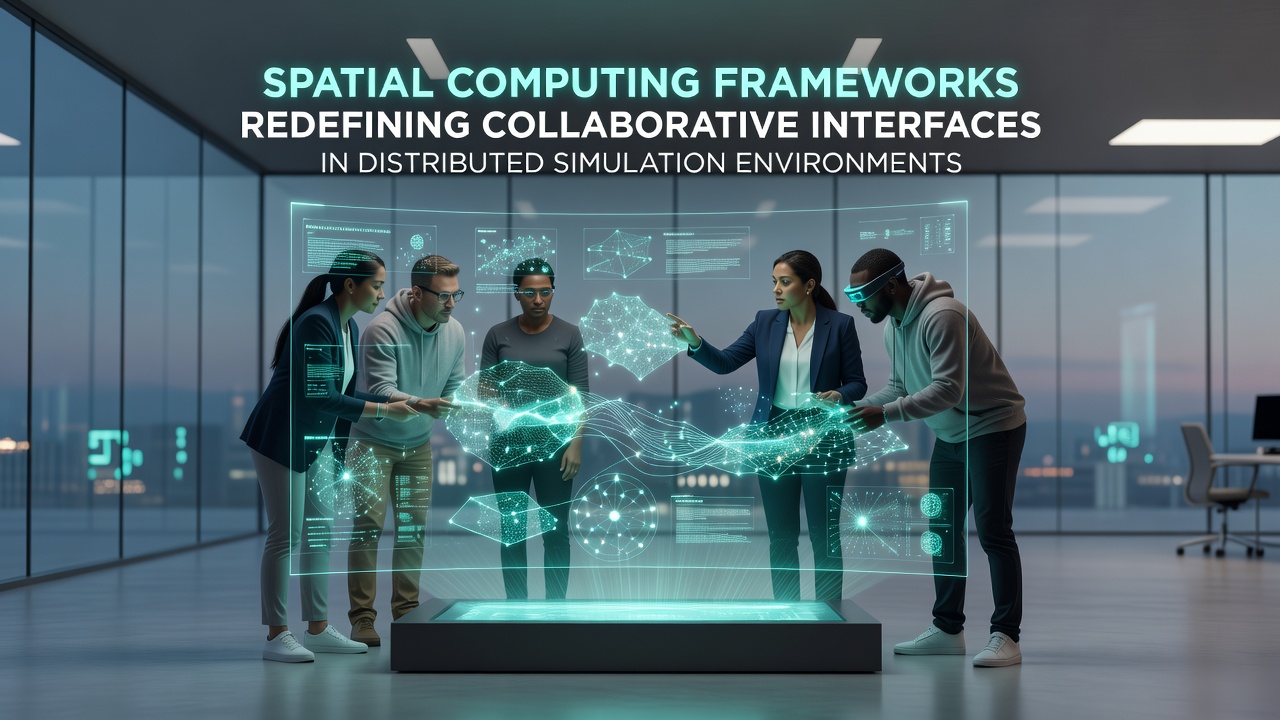
Network synchronization remains a persistent hurdle when multiple users interact with the same virtual object from separate locations. Developers addressed this through predictive interpolation algorithms that estimate positions between received data packets. Academic papers published by North American universities detail how these algorithms maintain visual coherence even under variable bandwidth conditions common in remote industrial sites.
Security considerations also shape framework design since training data often includes proprietary process details. Encryption protocols embedded at the spatial layer protect anchor coordinates and gesture streams without introducing noticeable delays. Government agencies in Australia have issued guidelines encouraging adoption of these layered security approaches for critical infrastructure training programs.
Future Integration Patterns
Emerging standards propose tighter coupling between spatial computing frameworks and digital twin repositories maintained by equipment manufacturers. This linkage would allow training modules to update automatically whenever physical machinery receives firmware changes or component replacements. Research teams continue exploring haptic feedback integration that could transmit resistance sensations across the distributed network during tool-handling exercises.
Conclusion
Spatial computing frameworks continue to expand the capabilities of collaborative interfaces within distributed simulation environments for industrial training. Evidence from multiple sectors shows measurable gains in training efficiency and retention when spatial context bridges remote participants. Ongoing refinements in synchronization and security protocols support broader deployment while maintaining operational continuity across diverse industrial settings.