Unpacking the Integration of Augmented Reality Features within Mobile Web Interfaces for Retail Inventory Visualization
Rafael Brooks · Aug 15, 2026
Unpacking the Integration of Augmented Reality Features within Mobile Web Interfaces for Retail Inventory Visualization
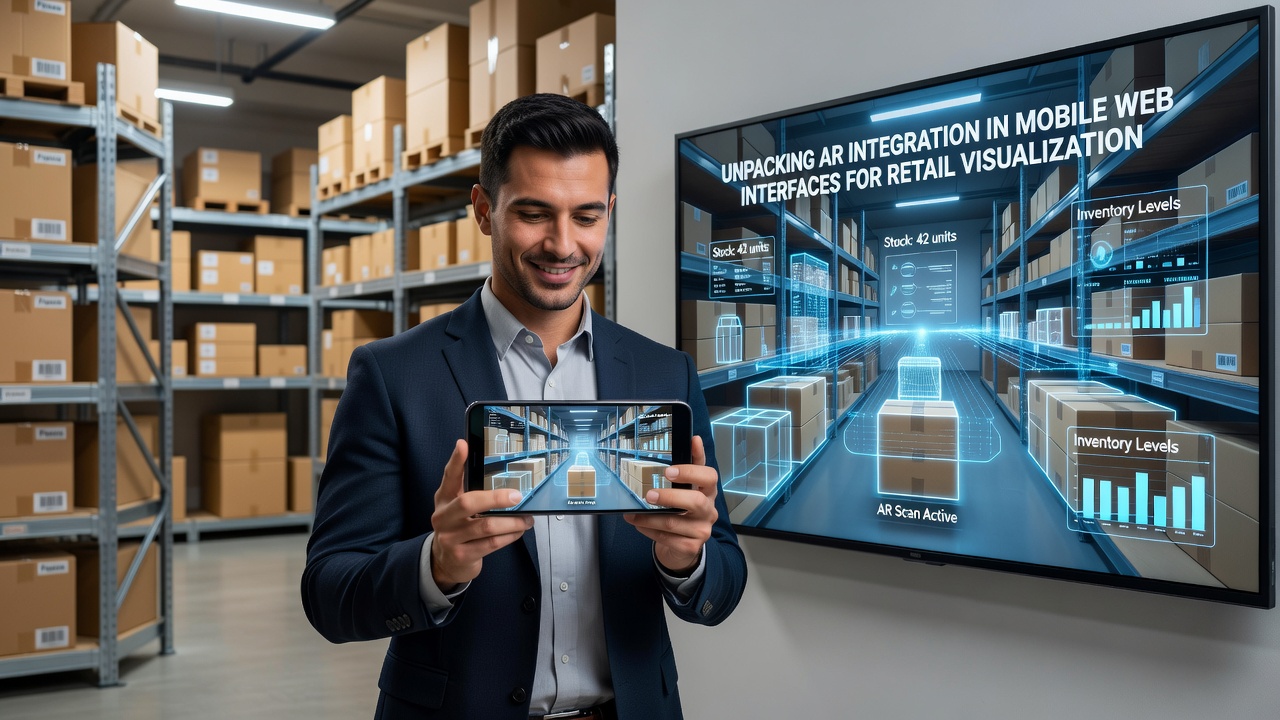
Retail inventory visualization has shifted as mobile web platforms incorporate augmented reality capabilities, allowing users to interact with stock data through device cameras without dedicated applications. Developers leverage WebXR Device API standards to render three-dimensional product models directly in browser sessions, where inventory levels appear as spatial annotations tied to real-world shelf locations. This approach connects backend databases to front-end interfaces, so stock updates propagate in real time across distributed retail networks. Technical implementation relies on progressive web application frameworks that detect device sensors and camera access permissions before initiating AR sessions. Browser vendors have expanded support for hit-testing and plane detection features since early 2025 releases, which enables accurate placement of inventory holograms on detected surfaces. Data flows from enterprise resource planning systems through secure APIs, where JSON payloads carry item quantities, locations, and visual assets that render without server round-trips once cached locally.Browser API Foundations and Mobile Compatibility
WebXR provides the core interface for anchoring virtual inventory markers, while additional modules handle lighting estimation and occlusion so digital items blend with physical surroundings. Compatibility varies across operating systems, yet major vendors standardized fallback mechanisms that degrade to two-dimensional views when full AR hardware support is unavailable. Retail platforms test these layers on high-volume devices, ensuring consistent performance during peak shopping periods in August 2026 when seasonal inventory turnover accelerates.
Security protocols require explicit user consent for camera streams, and encryption standards protect inventory data transmitted between client interfaces and central warehouses. Observers note that content security policies now incorporate directives specific to AR asset loading, which reduces exposure to cross-site scripting attempts targeting visual overlays.
Implementation Patterns in Retail Environments
Inventory managers deploy AR web views to scan warehouse aisles where virtual tags display remaining units alongside physical barcodes. One deployment at a North American chain integrated sensor data from IoT shelf monitors, allowing the mobile web interface to highlight low-stock zones through color-coded AR indicators. European retailers adopted similar patterns following guidelines from the European Commission on digital single market initiatives, which encouraged interoperable visualization standards across member states.
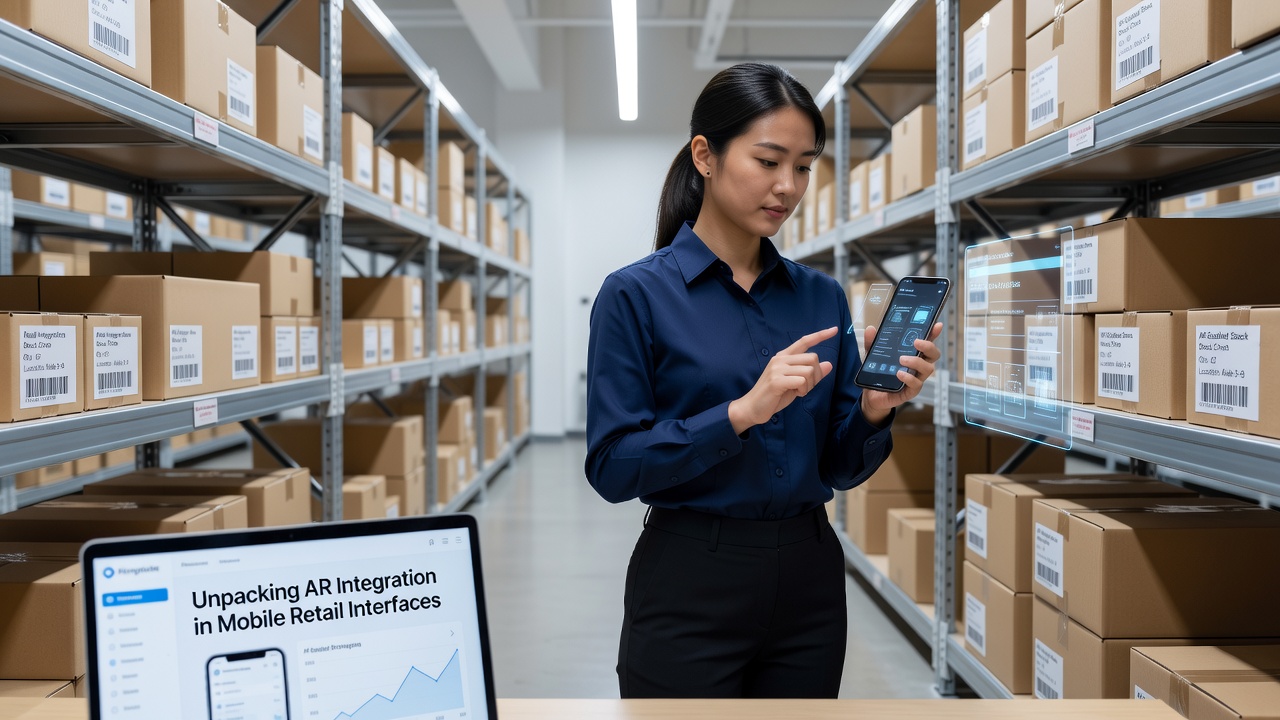
Case examples show Australian logistics firms combining AR web tools with existing barcode systems so staff verify counts by pointing devices at pallet stacks, where the interface surfaces discrepancy alerts without additional software installation. These setups reduce verification time because spatial mapping aligns database records with physical coordinates in a single pass.
Data Integration and Performance Considerations
Backend synchronization uses WebSocket connections to push inventory deltas, which AR renderers consume to update model positions without full page reloads. Performance benchmarks from research institutions indicate that optimized texture compression keeps frame rates above 30 frames per second on mid-range handsets, even when rendering multiple stock items simultaneously. Edge caching strategies further minimize latency for users accessing visualization tools across wide geographic regions.
Accessibility features include voice commands for toggling AR modes and high-contrast labels on virtual tags, aligning with international standards for inclusive web experiences. Retail operators report broader adoption when interfaces accommodate both AR-capable devices and legacy browsers through responsive design patterns.
Future Trajectory and Standardization Efforts
Industry groups continue refining WebXR extensions for advanced occlusion and multi-user collaboration, where multiple staff members view synchronized inventory holograms during joint audits. Standards bodies coordinate with hardware manufacturers to expose additional depth sensor data through browser APIs, expanding visualization fidelity for complex warehouse layouts. As of August 2026, pilot programs in Asia-Pacific markets test these enhancements on next-generation mobile chipsets that accelerate matrix transformations required for precise AR anchoring.
Conclusion
Integration of augmented reality within mobile web interfaces for retail inventory visualization rests on established browser APIs, secure data pipelines, and cross-platform testing regimes. Organizations that align their systems with emerging WebXR capabilities gain operational visibility into stock levels while maintaining compatibility across diverse device ecosystems. Continued refinement of these interfaces supports broader retail digitization without requiring separate native applications for every operational task.