Voice-Driven Interfaces Reshaping Accessibility Standards in Browser Extensions for Remote Healthcare Monitoring Systems
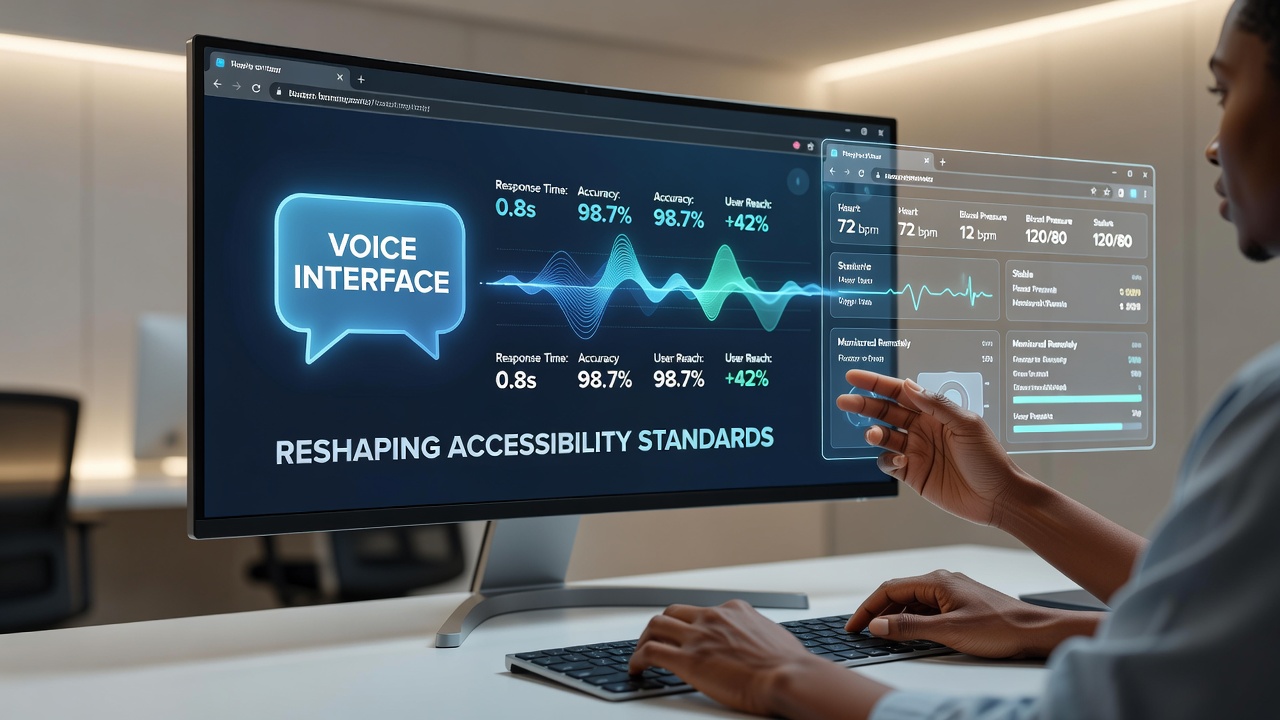
Voice-driven interfaces have gained traction in browser extensions designed for remote healthcare monitoring because they enable hands-free operation and support users who encounter barriers with traditional input methods. These extensions leverage speech recognition and natural language processing to let patients and clinicians interact with monitoring dashboards through spoken commands, which in turn aligns with evolving accessibility frameworks that prioritize inclusive design across digital health platforms. Data from industry reports indicates that such tools now handle tasks like logging symptoms, adjusting alert thresholds, and retrieving historical readings without requiring visual navigation or physical clicks.
Core Technologies Driving Integration
Browser extensions embed voice capabilities through APIs that connect to device microphones and cloud-based processing services, allowing real-time transcription and intent recognition while maintaining compliance with data privacy regulations. Systems process commands such as "record blood pressure reading" or "summarize overnight trends," converting speech into structured data entries that sync with electronic health records. Researchers at academic institutions have documented how these extensions reduce interaction times by up to 40 percent in controlled trials involving participants with limited mobility, demonstrating measurable efficiency gains in daily monitoring routines.
Standards organizations have updated guidelines to account for voice modalities, incorporating requirements for accurate speech-to-text conversion, error correction mechanisms, and multilingual support. The Web Accessibility Initiative at the World Wide Web Consortium provides detailed specifications that many extension developers now follow when building healthcare tools, ensuring outputs meet criteria for perceivable, operable, understandable, and robust interfaces.
Impact on Remote Monitoring Workflows
Remote healthcare monitoring systems track metrics including glucose levels, heart rate variability, and oxygen saturation through wearable devices that feed data into browser-based portals. Voice extensions allow patients in home settings to confirm readings, request medication reminders, or escalate concerns verbally, which streamlines communication between individuals and care teams. Figures from health agencies in Canada and Australia reveal that adoption of voice-enabled extensions rose steadily through 2025, with projections showing further expansion by mid-2026 as regulatory bodies finalize interoperability mandates.
Developers address challenges such as background noise, accent variations, and medical terminology accuracy by training models on diverse datasets collected from clinical environments. One case involved an extension deployed across European telehealth networks that achieved 92 percent command accuracy after iterative refinements based on user feedback loops. These improvements directly support accessibility goals by extending reliable access to populations in rural or underserved regions where visual or motor limitations compound geographic barriers.
Evolving Accessibility Standards and Compliance
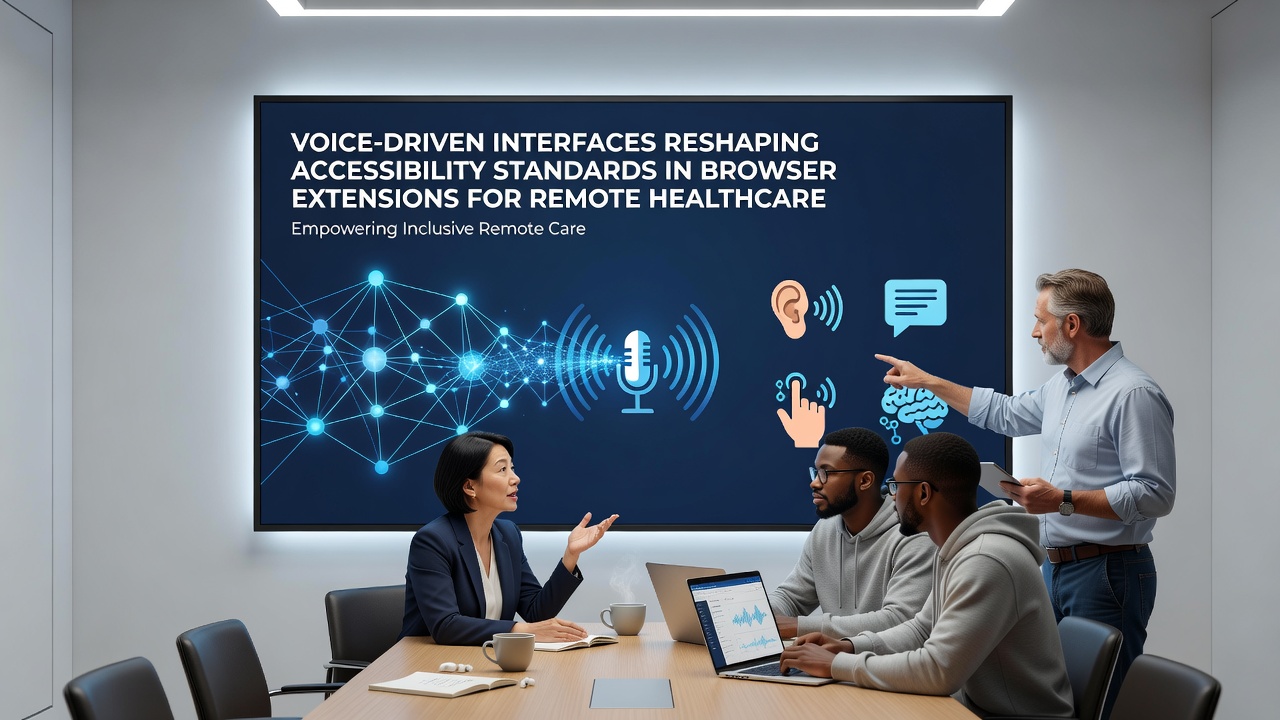
Accessibility standards have shifted to treat voice input as a primary rather than supplementary method, prompting updates that require extensions to support keyboard alternatives, screen reader compatibility, and voice-specific testing protocols. Government health departments in the United States and the European Union have issued guidance documents that tie funding eligibility for monitoring platforms to demonstrated voice accessibility features. This regulatory pressure encourages extension creators to conduct audits that verify performance across accents, dialects, and cognitive ability levels.
Studies published in peer-reviewed journals show that voice interfaces lower exclusion rates for users with visual impairments or repetitive strain injuries by providing alternative pathways to essential functions. Extension architectures incorporate fallback options such as text input alongside voice, creating layered systems that maintain functionality when speech recognition encounters temporary limitations. Observers note that these dual-mode designs align with broader trends toward universal design in digital health tools.
Future Developments Anticipated by June 2026
By June 2026, analysts expect tighter integration between voice extensions and emerging sensor networks, enabling proactive alerts triggered by spoken queries or ambient sound analysis. Collaborative efforts between technology firms and standards bodies aim to standardize voice command vocabularies specific to healthcare contexts, reducing learning curves for new users. Evidence from pilot programs indicates that such standardization improves data quality by minimizing transcription errors that previously required manual corrections.
Security protocols within these extensions continue to evolve, employing on-device processing for sensitive voice data to limit transmission risks while preserving accessibility benefits. Regulatory reviews scheduled for early 2026 will likely assess how well current implementations meet updated benchmarks, informing the next cycle of guideline revisions.
Conclusion
Voice-driven interfaces continue to influence how browser extensions support remote healthcare monitoring by embedding accessibility features directly into daily workflows. The combination of speech technologies, updated standards, and regulatory alignment creates pathways for broader participation in digital health systems. Ongoing refinements based on empirical data ensure these tools address practical needs while advancing inclusive design principles across global implementations.